
The Clean Air Act (CAA) requires EPA to set National Ambient Air Quality Standards for pollutants that are common in outdoor air, considered harmful to public health and the environment, and that come from numerous and diverse sources.
EPA focuses on six “criteria” pollutants in outdoor air. They include carbon monoxide, lead, ground-level ozone, nitrogen dioxide, particulate matter, and sulfur dioxide. These pollutants are found all over the U.S. The standards for each pollutant are reviewed every five years. The NAAQS are the concentration in the air that is protective of public health and welfare with an adequate margin of safety. In setting the NAAQS, EPA cannot consider cost and will set the standards to protect sensitive populations.
Nitrogen Dioxide (NO2) is one of a group of highly reactive gases known as oxides of nitrogen or nitrogen oxides (NOx). Other nitrogen oxides include nitrous acid and nitric acid. NO2 is used as the indicator for the larger group.
NO2 forms quickly from emissions from cars, trucks and buses, power plants, and off-road equipment. In addition to contributing to the formation of ground-level ozone, and fine particle pollution, NO2 is linked with a number of adverse effects on the respiratory system.
EPA first set standards for NO2 in 1971, setting both a primary standard (to protect health) and a secondary standard (to protect the public welfare) at 0.053 parts per million (53 ppb), averaged annually. The Agency has reviewed the standards twice since that time, but chose not to revise the standards at the conclusion of each review. All areas in the U.S. meet the current (1971) NO2 standards.
Lead (Pb) is a metal found naturally in the environment as well as in manufactured products. The major sources of lead emissions have historically been motor vehicles (such as cars and trucks) and industrial sources. As a result of EPA’s regulatory efforts to remove lead from gasoline, emissions of lead from the transportation sector dramatically declined by 95 percent between 1980 and 1999, and levels of lead in the air decreased by 94 percent between 1980 and 1999.
Today, the highest levels of lead in air are usually found near lead smelters. Other stationary sources are waste incinerators, utilities, and lead-acid battery manufacturers.
“Particulate matter,” also known as particle pollution or PM, is a complex mixture of extremely small particles and liquid droplets. Particle pollution is made up of a number of components, including acids (such as nitrates and sulfates), organic chemicals, metals, and soil or dust particles.
The size of particles is directly linked to their potential for causing health problems. EPA is concerned about particles that are 10 micrometers in diameter or smaller because those are the particles that generally pass through the throat and nose and enter the lungs. Once inhaled, these particles can affect the heart and lungs and cause serious health effects. EPA groups particle pollution into two categories:
“Inhalable coarse particles,” such as those found near roadways and dusty industries, are larger than 2.5 micrometers and smaller than 10 micrometers in diameter.
“Fine particles,” such as those found in smoke and haze, are 2.5 micrometers in diameter and smaller. These particles can be directly emitted from sources such as forest fires, or they can form when gases emitted from power plants, industries and automobiles react in the air.
CO is a colorless, odorless gas that can be harmful when inhaled in large amounts. CO is released when something is burned. The greatest sources of CO in outdoor air are cars, trucks and other vehicles or machinery that burn fossil fuels.
Breathing air with a high concentration of CO reduces the amount of oxygen that can be transported in the blood stream to critical organs like the heart and brain.
At very high levels, CO can cause dizziness, confusion, unconsciousness and death.
Very high levels of CO are not likely to occur outdoors. However, when CO levels are elevated outdoors, they can be of particular concern for people with some types of heart disease. They are especially vulnerable to the effects of CO when exercising or under increased stress. In these situations, short-term exposure to elevated CO may result in reduced oxygen to the heart accompanied by chest pain also known as angina.
Ozone can be “good” or “bad” for health and the environment depending on where it’s found in the atmosphere. Stratospheric ozone is “good” because it protects living things from ultraviolet radiation from the sun. Ground-level ozone, however, is “bad” because it can trigger a variety of health problems, particularly for children, the elderly, and people of all ages who have lung diseases such as asthma.
Ground-level ozone is created when pollutants emitted by cars, power plants, industrial boilers, refineries, chemical plants, and other sources react in the presence of sunlight.
Ozone is most likely to reach unhealthy levels on hot sunny days in urban environments, but can still reach high levels during colder months. Ozone can also be transported long distances by wind, so even rural areas can experience high ozone levels. Ozone can cause the muscles in the airways to constrict, leading to wheezing and shortness of breath. These effects have been found even in healthy people, but can be more serious in people with lung diseases such as asthma.
EPA’s national ambient air quality standards for SO2 are designed to protect against exposure to the entire group of sulfur oxides (SOx). SO2 is the component of greatest concern and is used as the indicator for the larger group. SO2 is colorless, but has a pungent odor like that of a just struck match.
The largest source of SO2 in the atmosphere is the burning of fossil fuels by power plants and other industrial facilities. Smaller sources of SO2 emissions include: industrial processes such as extracting metal from ore; natural sources such as volcanoes; and locomotives, ships and other vehicles and heavy equipment that burn fuel with a high sulfur content.
Short-term exposures to SO2 can harm the human respiratory system and make breathing difficult. People with asthma, particularly children, are sensitive to these effects. At high concentrations, gaseous SOx can harm trees and plants by damaging foliage and decreasing growth. They can also contribute to acid rain. SO2 and other sulfur oxides can react with other compounds in the atmosphere to form fine particles that reduce visibility (haze) in parts of the United States, including many of our treasured national parks and wilderness areas.
The CAA requires States to develop “State Implementation Plans” to attain and/or maintain the NAAQS for each pollutant. These plans must be approved by EPA to address emissions of all of the sources that emit the pollutant addressed by a NAAQS. State implementation plans include regulations, modeling, emissions inventories, and permitting necessary to reduce emissions to the level of the standards or below or maintain concentrations below the Standards.
Tribes may develop Tribal implementation plans (TIP) but are not required to do so. Where Tribes do not develop plans, EPA will develop a Federal Implementation Plan (FIP) where it is “necessary or appropriate”. Unlike states, Tribes can develop plans in whole or in part as long as the parts are reasonably severable.
New Source Review (NSR) Permitting is part of the State Implementation Plan and required by the CAA. These permit programs include Major NSR for large sources in non-attainment areas, Prevention of Significant Deterioration (PSD) for major sources in attainment areas and most states have minor source permitting programs.
Title I of the Clean Air Act (CAA) requires that the New Source Review (NSR) program be established to protect public health and welfare, national parks, and wilderness areas as new sources of pollution are built or existing sources modified. The program is designed to ensure that new sources of pollution are constructed to be as clean as possible, recognizing that facility construction is typically the most economical time to incorporate state-of-the-art pollution prevention practices or air pollution control technologies.
In 2011, the EPA filled a regulatory gap with the development of the Tribal Minor New Source Review. The final rule outlines preconstruction permitting of air pollution control requirements for industrial facilities located in Indian Country.
The Tribal Minor NSR program provides three options for obtaining permits:
Section 126 of the CAA requires States, while developing their SIPS, to consider the impact of emissions sources on the ambient air quality in neighboring jurisdictions. 126 allows neighboring jurisdictions to petition EPA if their neighboring state SIP is inadequate and impacts the NAAQS in their areas.
The Good Neighbor Plan is an EPA rule designed to address interstate air pollution under the Clean Air Act’s “good neighbor” provision. It targets emissions of nitrogen oxides (NOₓ) from power plants and industrial sources that contribute to ozone formation in downwind states, ensuring compliance with the 2015 ozone NAAQS.
Finalized in March 2023, the plan established federal implementation plans (FIPs) for 23 states, requiring seasonal NOₓ reductions through updated emissions budgets and control measures. It uses a cap-and-trade program for power plants and sets performance standards for certain industrial sectors.
In 2024, the rule faced legal challenges, and the Supreme Court issued a stay while litigation continues. EPA is reviewing compliance timelines and potential adjustments, but the plan remains a key mechanism for reducing cross-state ozone pollution and protecting public health.
In 1999, the EPA announced a major effort to improve air quality in national parks and wilderness areas. The Regional Haze Rule calls for state and federal agencies to work together to improve visibility in 156 national parks and wilderness areas such as the Grand Canyon, Yosemite, the Great Smokies and Shenandoah.
The Regional Haze Program also requires State Implementation Plans. However, instead of addressing emissions to protect local air quality to achieve the NAAQS, these plans are designed to address regional transportation pollution that impact visibility in the National Parks and Wilderness areas. Tribes and states have worked in partnership over time to develop these Regional Haze SIPs.
NTAA submitted early comments in response to EPA’s request for comments for Tracking Visibility Progress in the Regional Haze Rule that focus on the Reasonable Progress Framework on Controllable Emissions that contribute to Regional Haze. In addition, comments were submitted by NTAA regarding the proposed delay of the current state implementation plan (SIP) submission deadlines, the timing and format of progress reports, limiting requirements for reasonably attributable visibility impairment (RAVI) while expanding the number of states that would be subject to Federal Land Management (FLM) RAVI certifications, and consultation with Indian Tribes concerning the RHR and associated activities. EPA will be drafting a guidance document in the coming months and issue that guidance document for further review in the new year.
In the 1990 CAA, Congress provided a list of 189 hazardous air pollutants (HAPs) and required EPA to develop emissions standards to address both new and existing sources of these pollutants. Congress also provided a list of updated pollutants by adding new ones or delisting others. Considering adding pollutants “which present, or may be present, through inhalation, or other routes of exposure, a threat of adverse human health effects……or adverse environmental effects whether through ambient concentration, bioaccumulation, or deposition.”
Once on the list, the EPA must regulate these sources by developing National Emissions Standards for Hazardous Air Pollutants.
NESHAPs are regulations under Section 112 of the Clean Air Act that control emissions of hazardous air pollutants (HAPs) from major (10 tons/year of any one HAP or 20 TPY of any combination of HAPs) and area sources (sources that emit levels below the major source thresholds). These pollutants include substances known or suspected of causing cancer, birth defects, or other serious health and environmental effects.
The standards are based on Maximum Achievable Control Technology (MACT) for major sources and Generally Available Control Technology (GACT) for smaller sources. NESHAPs cover a wide range of industries, such as chemical manufacturing, petroleum refining, metal processing, and power generation, and apply to both new and existing sources.
8 years after a NESHAP is developed, EPA must review whether the standards reduce emissions to a level that protects public health with an “ample margin of safety”. If not, EPA must revise these NESHAPs to address the remaining risk from these emissions called “residual risks”. In addition, every 8 years, EPA must review the NESHAP to determine if there is new technology available, when considering cost, to achieve lower emissions rates. If there is, EPA must revise the NESHAP.
Mercury is a naturally occurring element found in rock in the earth’s crust, including in deposits of coal. It exists in several forms. For example, pure mercury is a liquid metal that is traditionally used to make products like thermometers, switches, and some light bulbs.
Emissions from coal-burning power plants are the biggest source of mercury in outdoor air. Airborne mercury eventually settles into water, or on land, where it may be washed into lakes, streams and rivers. People are most likely to be exposed to mercury by eating fish and shellfish with high levels of methylmercury, a highly toxic form of mercury. Other sources include dental fillings and some jewelry. Mercury exposure at high levels can harm the brain, heart, kidneys, lungs, and immune system of people of all ages.
Mercury consumption is a health concern among Tribes whose traditional diets include large amounts of fish, waterfowl, medicinal plants, moose, and other land animals. Such diets have not been adequately considered by the EPA in the process of addressing emissions standards for mercury. For example, in developing its recent rule for mercury emissions from power plants, EPA considered two segments of the population to be relevant to its analysis: recreational anglers and “high level” consumers such as some Native American and other ethnic populations.
MATS
The Mercury and Air Toxics Standards (MATS) originated from the 1990 Clean Air Act Amendments, which required EPA to study hazardous air pollutants from power plants. After years of research and a 2000 finding that regulation was “appropriate and necessary,” EPA finalized MATS in 2012. The rule sets Maximum Achievable Control Technology (MACT) standards for coal- and oil-fired electric generating units, targeting mercury, acid gases, and other toxic metals. It represented the first national limits on these pollutants from power plants, aiming to reduce emissions that pose serious health risks, especially to children and sensitive populations.
In 2024, EPA strengthened MATS through its Residual Risk and Technology Review, tightening particulate matter and mercury limits and requiring continuous monitoring. However, in 2025, the agency proposed rolling back some of these updates, citing feasibility concerns, while litigation over exemptions and compliance deadlines continues. MATS remains a cornerstone of U.S. air toxics regulation, reflecting decades of evolving science, technology, and policy.
Benzene is a widely used chemical formed from both natural processes and human activities. Breathing benzene can cause drowsiness, dizziness, and unconsciousness; long-term benzene exposure causes effects on the bone marrow and can cause anemia and leukemia.
Industrial processes are the main sources of benzene in the environment. Benzene levels in the air can be elevated by emissions from burning coal and oil, benzene waste and storage operations, motor vehicle exhaust, and evaporation from gasoline service stations. Tobacco smoke is another source of benzene in air, particularly indoors.
The NSPS program, established under Section 111 of the Clean Air Act (1970), sets technology-based emission limits for new, modified, and reconstructed sources in specific industrial categories. These standards aim to ensure that new facilities use the best demonstrated control technologies to minimize air pollution from the outset.
EPA has developed NSPS for numerous sectors, including power plants, refineries, landfills, and oil and gas operations, covering pollutants, the criteria pollutants (see above), and greenhouse gases. The rules are periodically updated to reflect advancements in control technology.
In addition, 111(b) requires existing sources to achieve lower emissions rates, where new technologies, cost, and availability are considered. EPA develops these standards and implementation guidance that the states then must incorporate into Implementation Plans. Tribes are not required to do so, but EPA will develop Federal Plans for sources in Indian country.
Recent actions include methane and VOC standards for oil and gas facilities (OOOOb/c finalized in 2024).
Similar to the NSPS, under 111 sources that address solid waste are covered through section 129 of the CAA. These standards are developed and updated for commercial solid waste incinerators, municipal solid waste incinerators, other solid waste incinerators, and municipal solid waste landfills. Like 111, the EPA promulgates these standards for new, modified sources, but they are implemented through State Plans. In addition, they cover not only the criteria pollutants, but also opacity, cadmium, mercury, dioxins and dibenzofurans. Unlike the 111 NSPS, EPA is required to review and update (as necessary) these standards every 5 years.
Title V of the CAA developed an operating permit program which takes all the applicable requirements from SIPs, NSR permits, NESHAPs, NSPS, 129 and any other requirements (such as acid rain program) and places them in one document for each source. These permits are for all major sources and some minor sources that the EPA has identified. These permit programs are developed by the states, and two Tribes are running their own Title V permit programs. This program requires permit fees adequate to implement the programs. The permits are renewed every 5 years or reopened as necessary to incorporate new requirements.
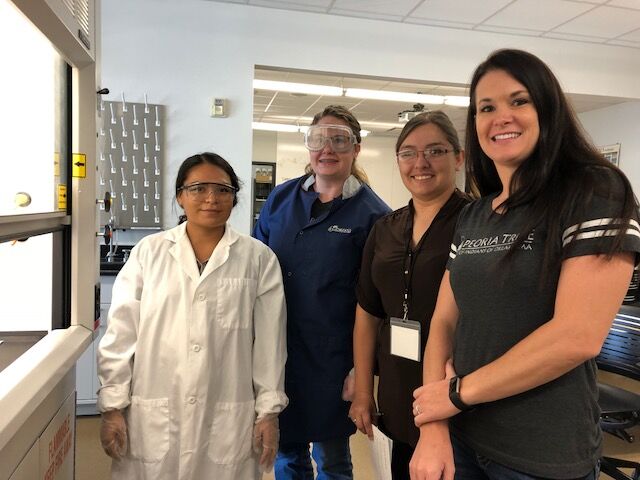
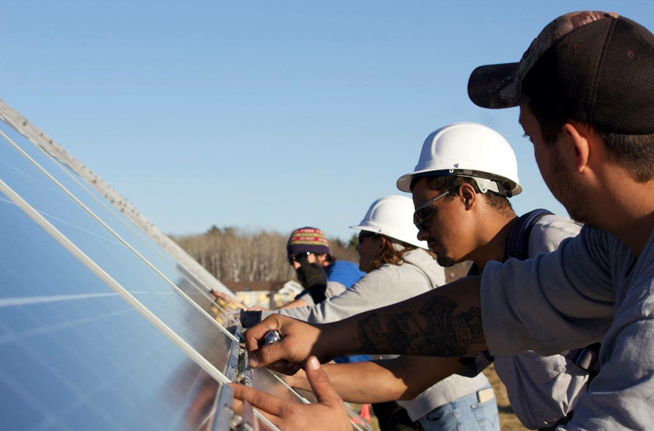
Each year, NTAA produces an annual Status of Tribal Air Report (STAR) to Tribal Nations, the U.S. Environmental Protection Agency (EPA), and to other federal agencies and interested parties. The report provides a national overview of Tribal Air Quality Programs for the current administration; presents the successes, challenges, and priorities from a regional perspective of managing air quality; and tells stories of management of air quality from across Indian Country.
2024 Status of Tribal Air Report
Northern Arizona University’s Institute for Tribal Environmental Professionals (ITEP) also provides extensive online and other training resources for anyone who wants to study air quality issues in-depth. Follow these links to learn more.
NTAA partners with others to advance air quality including:
American Lung Association
National Association of Clean Air Agencies
Association of Air Pollution Control Agencies
EPA’s Office of Air and Radiation (OAR) is responsible for administering the Clean Air Act as well as other environmental laws. OAR’s national programs provide important air quality and health benefits to tribal communities while assisting the efforts of tribal governments. Tribes have made tremendous progress with air quality management, but there is still significant need for tribal air quality management programs and climate change plans to be developed, refined, and supported.
The EPA reports the Air Quality Index (AQI) in real time for more than 400 locations in the US. The AQI tells us how clean or polluted outdoor air is, along with associated health effects that may be of concern. The AQI translates air quality data into numbers and colors that help people understand when to take action to protect their health. Visit the EPA site to stay informed of the latest IA issues.
In 1992, Congress passed the Indian Environmental General Assistance Program Act. This act authorized EPA to provide General Assistance Program (GAP) grants to federally recognized tribes and tribal consortia for planning, developing and establishing environmental protection programs in Indian country, and for developing and implementing solid and hazardous waste programs on tribal lands.
The Multipurpose Grants (MPGs) program, which was intended to be used at state and tribal discretion for high-priority activities to complement activities funded under established environmental statutes, faced a significant change in FY2024. Congress did not appropriate funds for the MPGs program in FY22, FY23, and FY24. This decision has raised concerns among stakeholders regarding the future availability and use of these grants.
The U.S. Environmental Protection Agency offers various grant programs aimed at addressing environmental issues, promoting public health, and supporting community initiatives.
Intertribal consortia are collaborative groups formed by two or more federally recognized Indian tribes to achieve common goals, often related to governance, resource management, and grant applications.